GMRTC

Base
1

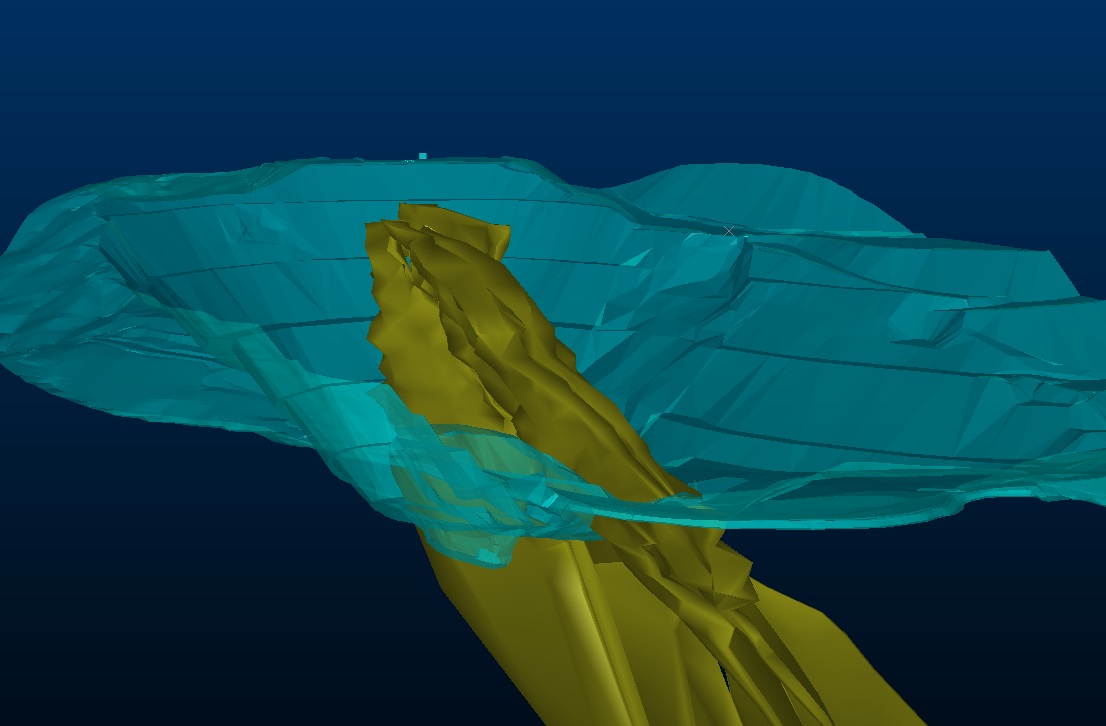
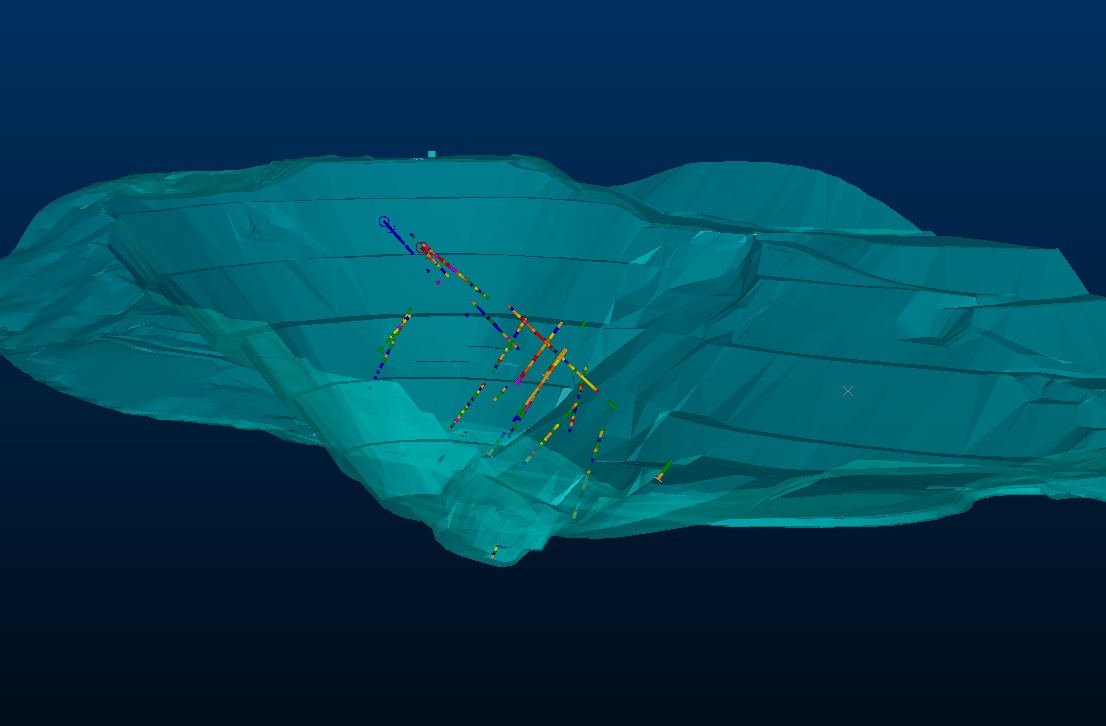
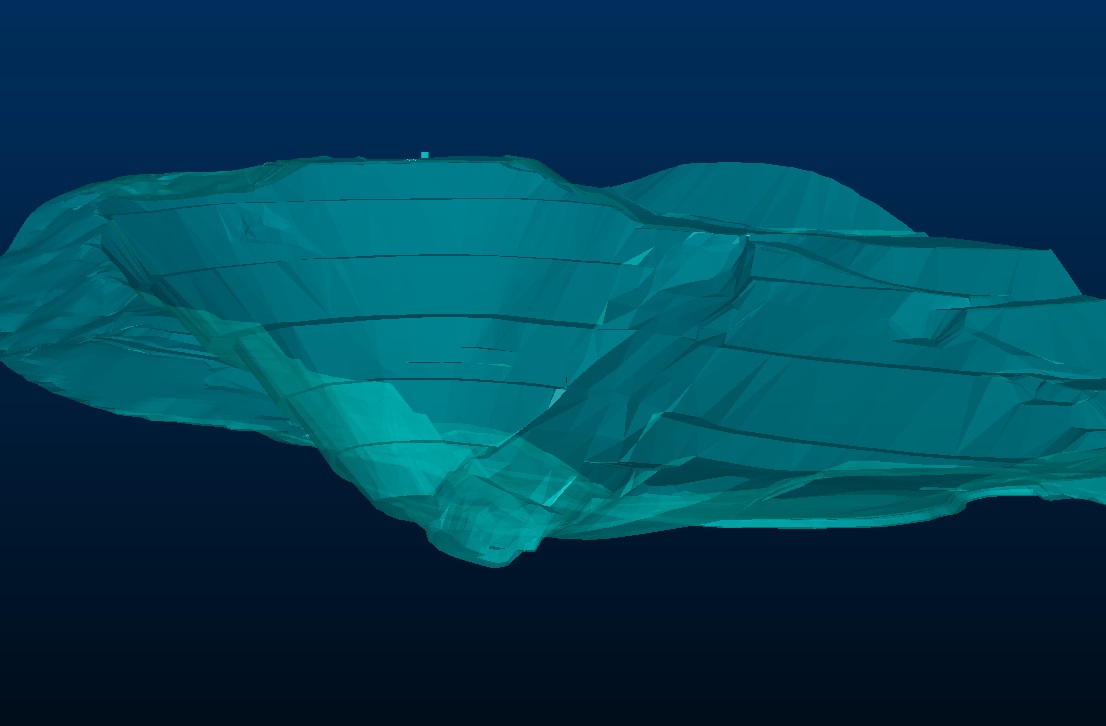
1. PIT SHELL

2

2. DRILLHOLES

3

3. OREBODY

4

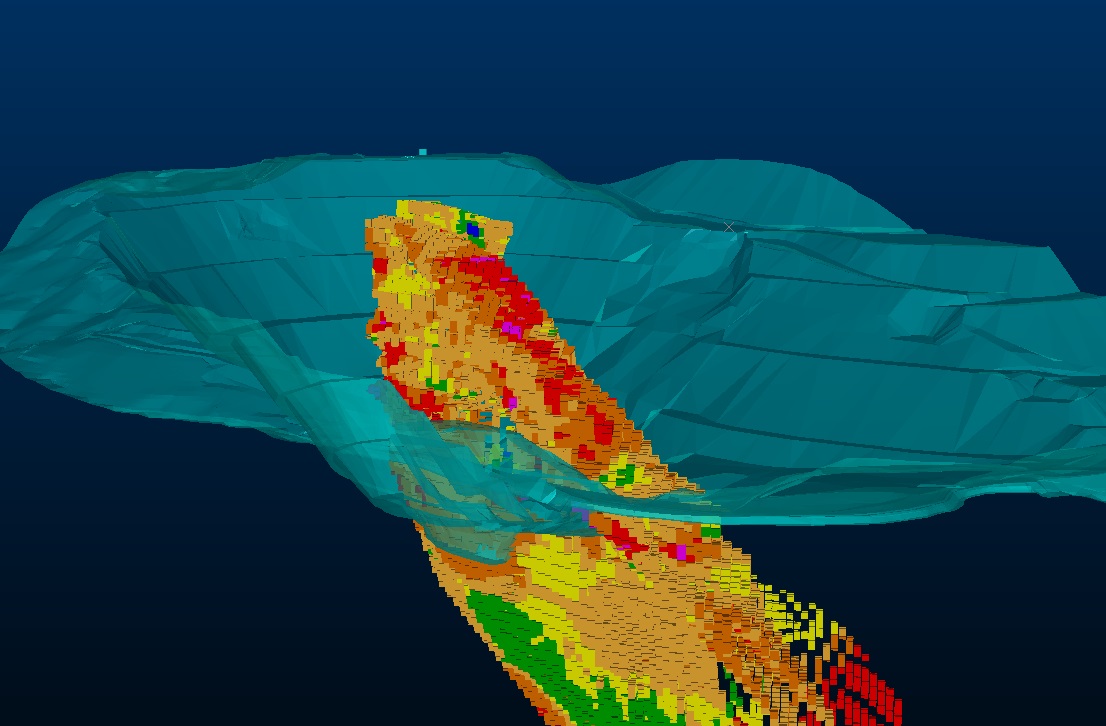
4. BLOCK MODEL

5

5. GRADE CONTROL

Use the slider to view the layers.

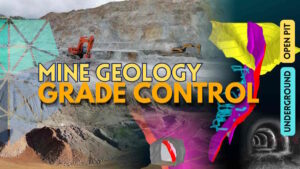
In mining, efficiency is defined as the optimal separation of ore from waste with minimal dilution, ensuring that the material enters the production cycle in its cleanest possible form. It is essential that the orebody identified during exploration is tracked in maximum detail during the production phase, and that geological continuity is consistently monitored.

The generalized Grade Control cycle that maximizes efficiency consists of the following stages:

  • Continuous Mapping and Archiving: As production advances, the ore position and geological boundaries are continuously updated, mapped, and digitally recorded.
  • Systematic Sampling: Based on up-to-date mapping data, the mineralization is sampled in-situ using the most appropriate and accurate methods.
  • Rapid Data Evaluation and Planning: Analytical results and geological data are evaluated without interrupting production, enabling optimization of excavation or drill-and-blast directions.
  • Implementation and Reconciliation: Planned versus actual production is compared; deviations are identified and addressed through detailed excavation or corrective actions.
  • Grade and Tonnage Estimation: The average grade and total tonnage of the mined material are calculated with high accuracy.
  • Stockpile Management: Transported ore is directed to the appropriate stockpiles (ROM feed, intermediate, or low-grade) based on grade classification, and inventory is kept up to date.
  • Blending and Dispatch: To meet the plant’s target specifications, ores of varying grades are blended at defined ratios and either fed to the plant or prepared for shipment.
  • Production–Stockpile–Plant Reconciliation: Plant feed data is compared with stockpile records to ensure balance in stock movements and to verify production efficiency.
  • Forward Drilling Planning: In alignment with the production schedule, in-pit drilling is conducted to generate forecasts for the next bench or phase.
  • Metallurgical Forecasting: Potential issues within the ore that may reduce plant performance (e.g., impurities, alteration) are identified in advance and mitigation strategies are developed.
  • Geotechnical and Structural Monitoring: Structural risks (e.g., faults, joints) are anticipated and early mitigation measures are implemented to ensure pit safety and production continuity.


Throughout this grade control cycle, the Mine Geology Department acts as a bridge between operational units, managing these processes to ensure efficient, sustainable, and error-free production.

You can explore our latest articles listed below for further insights and answers.

After
Ghost
Before

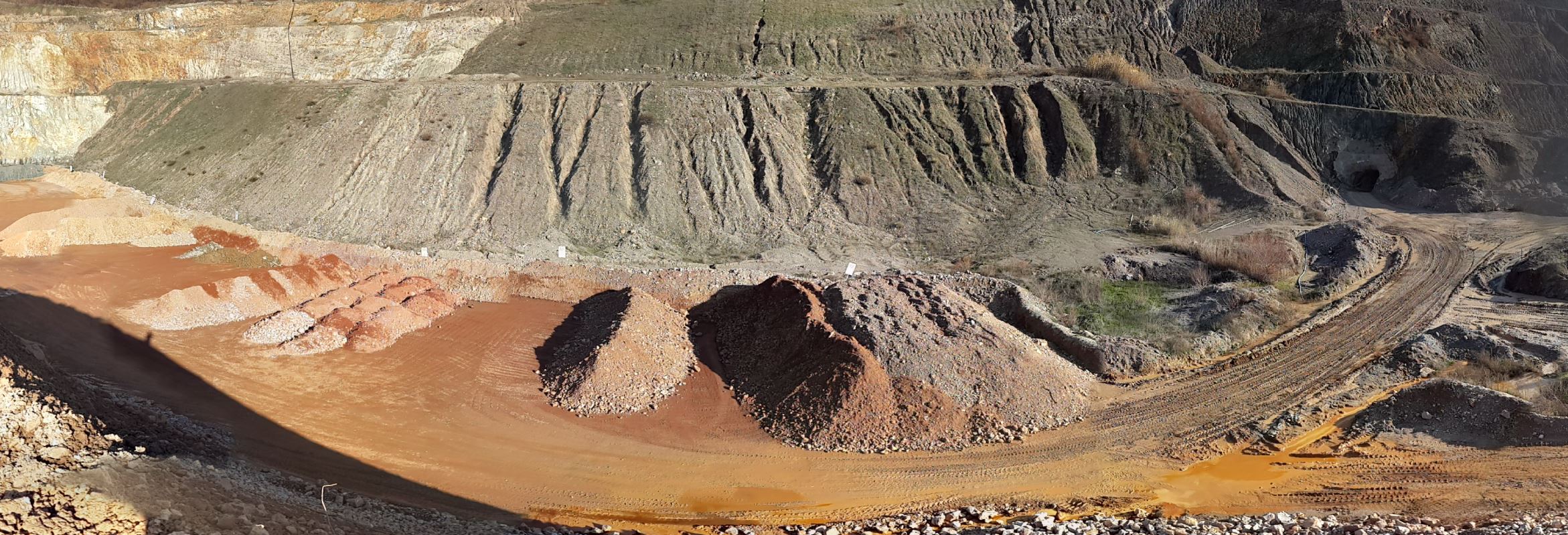
In open-pit mining operations, grade control is a dynamic control mechanism that directly impacts mine economics and remains active at every stage of production. The key components of this process are as follows:

  • Boundary Delineation: Using geological data and analytical results, the contacts between ore and waste are precisely marked in the field. This ensures that equipment operators clearly understand where to stop and how to correctly route the material.
  • Dilution Control: During excavation, the mixing of ore with waste rock and the inadvertent loss of valuable material to waste dumps are prevented. This directly maximizes revenue per tonne mined.
  • Feed Stabilization: Processing plants or crushing-screening units require a consistent feed quality for optimal performance. Grade control minimizes variability by blending materials from different sources, reducing operational uncertainty.
  • Data and Model Updating: As production progresses, samples collected from the field continuously refine the geological model. This ongoing data flow reduces uncertainty for upcoming benches and helps prevent planning errors.
  • Operational Interface: Mine geologists establish a technical link between planning and production teams through this cycle. As a result, the resource is extracted with minimal loss and delivered to the economy at the highest possible quality.

In underground mining, grade control is a highly sensitive process carried out within confined spaces and complex geological settings, making it more intricate than in open-pit operations. The core components of this process are as follows:

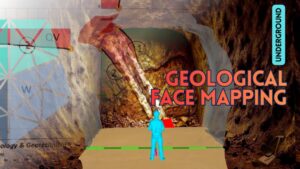
  • Face and Vein Tracking: As development advances in underground workings, newly exposed faces after each blast are geologically mapped. The strike, dip, and thickness of the ore vein are continuously monitored to guide the direction of excavation.
  • Systematic Sampling: Samples collected from backs, sidewalls, or production faces are used to determine the in-situ grade of the ore at specific locations. These data are critical for defining the economic limits of production panels.
  • Dilution Control: In narrow-vein mining, the amount of waste rock extracted along with the ore is strictly controlled. Due to confined working conditions, dilution has a significantly greater negative impact on haulage costs and plant performance compared to open-pit operations.
  • In-Production Core Drilling: Short-range drilling conducted from existing workings—laterally or between levels—is used to verify vein continuity and identify potential structural disruptions (e.g., faults) in advance.
  • Precise Stock and Dispatch Management: Materials with varying grades extracted underground must be handled without mixing in limited пространства. Proper routing ensures that ore is directed to the correct ore passes, silos, or surface stockpiles during hoisting.
  • Geological Model Refinement: Real-time field data are continuously integrated into 3D block models. This enables mine planning teams to make more reliable decisions regarding the tonnage and grade of the next mining block.

During ore and waste excavation, drilling has provided a significant amount of new and reliable subsurface data that cannot be obtained from surface drilling alone, creating new opportunities. These can then be tested through shorter infill drill programs designed at the current mining levels.

With these additional drillholes, it becomes possible to validate the vertical and lateral continuity of the orebody across different horizons from both underground and surface perspectives, ensuring long-term sustainability of the operation. While this process continues, structural features within the mine—such as faults, fractures, shear zones, and boudinage structures—may impact production performance and the ability to meet delivery commitments on time.

These faults and other adverse geological conditions have the potential to pose serious risks to the operation in the future. If they were previously overlooked or not incorporated into the mine plan, they may lead to unexpected geotechnical issues at a later stage, potentially affecting both safety and production continuity.

In mining, efficiency is defined as the optimal separation of ore from waste rock (gangue) and its economic recovery with minimal dilution. The sustainability of technical performance, however, depends on a procedure-driven management approach that does not compromise on Occupational Health and Safety (OHS) or environmental policies.

Operational Process and Control Cycle:

Grade Control and Mapping: As production advances, ore positions are continuously mapped and digitally archived. Based on these updated mappings, systematic sampling is carried out, enabling excavation or drilling directions to be planned without delay.

Stockpile and Feed Management: The grade and tonnage of the mined ore are accurately determined. To achieve the required plant feed quality, appropriate blending ratios are applied across different stockpiles, and shipments are managed accordingly.

Exploration and Reserve Growth: Infill and production-aligned drilling is conducted to forecast subsequent mining stages. In addition, Near-Mine Exploration activities around the operation contribute to reserve expansion and extend the mine life.

Corporate Discipline and HSE: Beyond stakeholder relations, health, safety, and environmental compliance form the foundation of the operation. Strict control mechanisms ensure that all procedures are properly documented and consistently followed by personnel without deviation.

In conclusion, an experienced Mine Geology team acts as the technical bridge between operational departments, continuously monitoring and controlling this system to ensure the most efficient, safe, and seamless production process.

To improve managerial efficiency, the stock tracking and plant feed system can be structured around the following core steps:

Production and Zone Tracking

To eliminate unstructured paperwork flow, the following data must be recorded in the digital system at the end of each shift:

  • Location Identification: The source of ore must be logged in real time, including elevation (bench level), production panel, or geological zone (e.g., oxidized zone, sulfide zone).
  • Production Quantity: Daily run-of-mine (ROM) production must be entered into the system based on truck counts or weighbridge data.
  • Grade/Quality Information: Laboratory results from field samples must be linked to the corresponding production locations and digitized.


Dynamic Stockpile Management

To monitor the real-time status of ore stockpiles:

  • Periodic Inventory Control: Volumetric stockpile measurements using drones or laser scanning should be performed and reconciled with system data.
  • Stock Classification: Ores should be categorized by grade (high, medium, low) or metallurgical characteristics, effectively creating a “fingerprint” for each stockpile.
  • Real-Time Monitoring: Stock balances must be continuously visible based on the difference between incoming (production) and outgoing (feed/shipment) material.


Plant Feed and Blending

To ensure continuity and consistent feed quality to the processing plant:

  • Formulated Feed Strategy: Blending ratios from different stockpiles should be planned to achieve the target plant feed grade.
  • Feed Logging: All ore delivered to crushers or directly to the plant must be digitally tracked, including tonnage and source stockpile.
  • Feedback Loop: Plant performance data should be compared with feed data to evaluate overall process efficiency.


Shipping and Logistics Records

To ensure full traceability and historical data availability when needed:

  • Digital Weighbridge Integration: All shipments should be automatically deducted from stock records through weighbridge tickets.
  • Dispatch Reporting: Daily, weekly, and monthly reports should clearly show how much ore has been delivered to each customer or facility.

As GMRTC, we provide the following services for you:

  • We determine the most efficient production method for either open-pit or underground operations and deliver both initial and continuous training programs for your white-collar and blue-collar workforce.
  • We analyze faults and structural geological features, identifying risks without compromising operational safety or production continuity.
  • We design your grade control model, optimize it for mine production, and continuously update it to ensure maximum efficiency.
  • We establish a cost-effective real-time tracking system for ore entering and leaving your stockpiles, enabling full operational control and visibility.
  • We analyze the mineralization in your site and support the prediction of potential metallurgical and production-related challenges.
  • We integrate fragmented and unstructured records maintained by field personnel into a modular digital environment (server/network-based), organized around ore zones, production–stockpiles, tonnage, and grade data.
  • We design drilling programs from active production areas to help you anticipate conditions in the next bench or underground development heading.
  • We conduct evaluations within and around your license area to assess continuity of mineralization or potential new discoveries, and we organize the necessary exploration activities.


From mine design to production grade control, contact us to optimize every step of your open-pit and underground mining operations for maximum efficiency.

Stay up to date with all our mining and geology training programs by following our website and social media accounts.

For group training requests for your company staff within the scope of your projects or operations, feel free to contact us.

You can also reach out through our communication channels to request a quote for services tailored to your needs, including external auditing (exploration, production, modeling, reporting, and corporate mining), investment startup support, and ongoing consultancy.