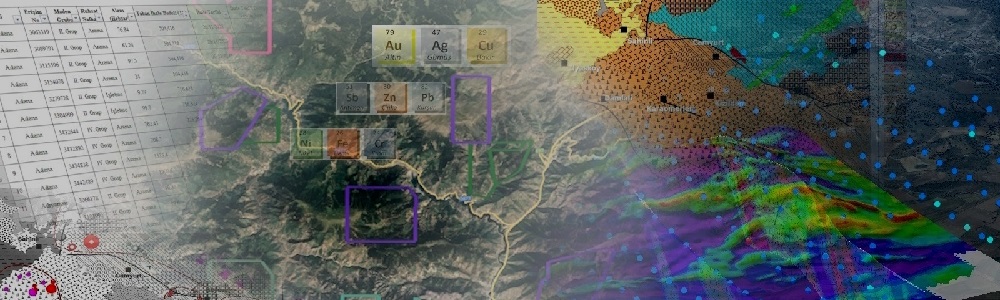
While evaluating an exploration license or conducting exploration activities, typically a lead "alpha" personnel shoulders the burden of interpreting the project and making decisions. Rather than exploration teams conducting their work conventionally in 2D, it is crucial to start by selecting a software that allows for an innovative approach where all structural elements are analyzed together in 3D. With this habit, meetings held based on data acquired in the field, from the most junior project staff to the most experienced, will generate a massive accumulation of knowledge. Instead of acquiring data blindly, this allows all personnel to take initiative around a structural environment consciously discovered in 3D during the process, enabling them to acquire critical information while still in the field.
Before commencing work, you will need to acquire a point cloud (topography) and aerial photography of your entire study area using a drone equipped with "RTK". Thanks to advancing technology and software that simplifies the work, anyone in your exploration team can perform this task—which is no harder than driving a vehicle—when suitable weather conditions are met.
It is important to ensure that all geologists included in the project team have a basic understanding of the projection system being used. In addition, to avoid constant dilemmas in data logging and correspondence, it should be noted that your team must adopt the initially established standards with the utmost discipline.
Carrying simple short-wave radios that do not require a legal license for field use is highly beneficial. You can use this communication method for many purposes, ranging from directing a meeting point in a valley where phone reception is lost after the driver drops you off at a higher elevation, to making an emergency call.
Ensure that in your operating system's regional settings (Region > Additional Date, ... > Region > Additional Settings), the decimal symbol is a period (.) and the digit grouping symbol is a comma (,) (Example: 1,234,567.89). Making this setting once is sufficient. Enforce this with strict discipline among all personnel to avoid issues with numerical data in 3D software, office programs, reporting files, inter-departmental communication, and future stages.
In an industry where production efficiency and operational demands are increasing, the value of geology in underground operations is growing day by day. It is quite difficult to ensure fairness in this work process, which is typically carried out in shifts and involves many personnel. If you can establish Key Performance Indicators (KPIs) and manage to fit all tasks into a numerical function, things will progress smoothly, because there is always a first, second, and third.
In order to clarify the position of the ore around the existing underground drift and test all possible potential, it naturally becomes necessary to excavate additional drilling/exploration drifts. There is also a possibility that there are secondary zones you missed or passed through with low grades by drilling from these drifts. Especially for ore bodies with massive lithological distinctions formed in structures such as quartz, metal sulfides, or orthomagmatic cumulates, you can obtain data that will facilitate the interpretation of upper-lower lithology contacts by utilizing Ground Penetrating Radar (GPR) applications. Even if you miss boudinage and massive structures in drilling, this method provides a continuous scan, thus playing a role in your interpretation with lithological distinctions. By applying this highly cost-effective method to the sidewalls or backs (roof), depending on your ground support, you can achieve beneficial results.
Every point you mark as a geology meterage in the underground drift is highly important; as all departments will base their location referencing on these marked meters for any issue. Considering that the points you mark with spray paint will get covered in dust and disappear, driving symbols or solid objects into the "+00" starting points and corner/bend points will provide convenience for everyone.
If you have a consistent, empirically built ore model, you can lay it on the table and design your grade control program within a systematic plan, creating a strategy for cost reduction and workflow acceleration. Regardless of the commodity, you do not have to sample every face during underground advancements. Additionally, you can increase the standard sampling interval width in your channel sampling, saving both the number of samples and the time spent on sampling. The consultancy you receive to establish or improve these parameters—which affect many aspects from ore production to resource modeling, from grade control to plant performance—will reduce your production costs and help you become faster.
Ensure that in your operating system's regional settings (Region > Additional Date, ... > Region > Additional Settings), the decimal symbol is a period (.) and the digit grouping symbol is a comma (,) (Example: 1,234,567.89). Making this setting once is sufficient. Enforce this with strict discipline among all personnel to avoid issues with numerical data in 3D software, office programs, reporting files, inter-departmental communication, and future stages.
In addition to monitoring the weather for grade control and production, photograph the slopes that have been washed clean and moistened after a heavy downpour. Monitor flitch production, especially in high-grade areas, right beside the excavator digging face. Areas with high grades will always follow a tradition of anomaly during the ore formation phase; therefore, you can likely observe the most recent displacements, sudden morphological irregularities, and deformation in these areas.
It is important to detect fault zones on the slopes during pit production that were not intersected in drilling programs, ran parallel to them, or were neglected for any reason during drilling. Do not expect faults to clearly show themselves on the slopes; remember that all slopes will be covered in dust. Visually track the slopes by walking along the benches after a heavy rain. Considering climatic conditions, make evaluations on a centimeter scale during periods when the highest precipitation is expected during the year, using radar geotechnical monitoring methods or coordinate measurements. Minor differences will create a significant contrast, indicating the presence of a problem.
Ensure that in your operating system's regional settings (Region > Additional Date, ... > Region > Additional Settings), the decimal symbol is a period (.) and the digit grouping symbol is a comma (,) (Example: 1,234,567.89). Making this setting once is sufficient. Enforce this with strict discipline among all personnel to avoid issues with numerical data in 3D software, office programs, reporting files, inter-departmental communication, and future stages.
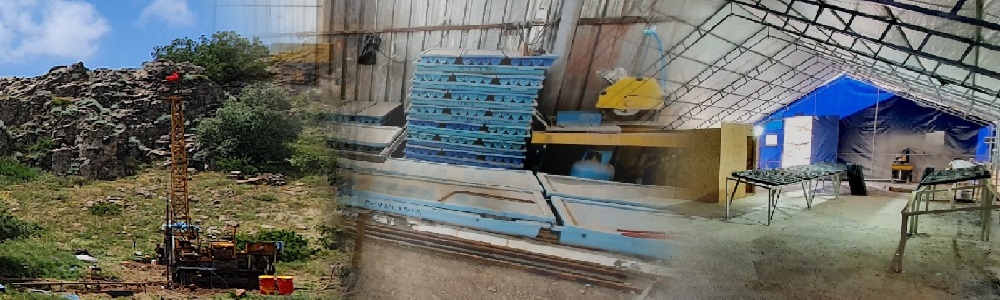
Immediately after retrieving the cores from the inner tube, while they are still moist, wash off all drilling mud or clay cake, preferably using only pressurized water without a brush; you can use small portable battery-powered water compressors for this. Otherwise, significantly more labor, time, and water will be required to remove the coating/crust that dries and hardens by the time it reaches the core yard. Cores that are not completely cleaned hinder important observations, leading to the neglect of intervals that need to be sampled. In addition, this prevents making observations in the highly critical core photographs.
Keep drilling advancement records meticulously and add them to your logging columns. Regular, effortlessly taken notes regarding issues such as water loss, cavitation, bit changes, machine strain during tripping, etc., have always played an active role in the planning-operational stages and in questioning sampling reliability. Furthermore, processing the records kept using simple formulas will ensure fairness among drillers and optimize performance and consumable usage. Having these records readily available in digital format will not only save time but, more importantly, prevent laziness and neglect at the moment of evaluation.
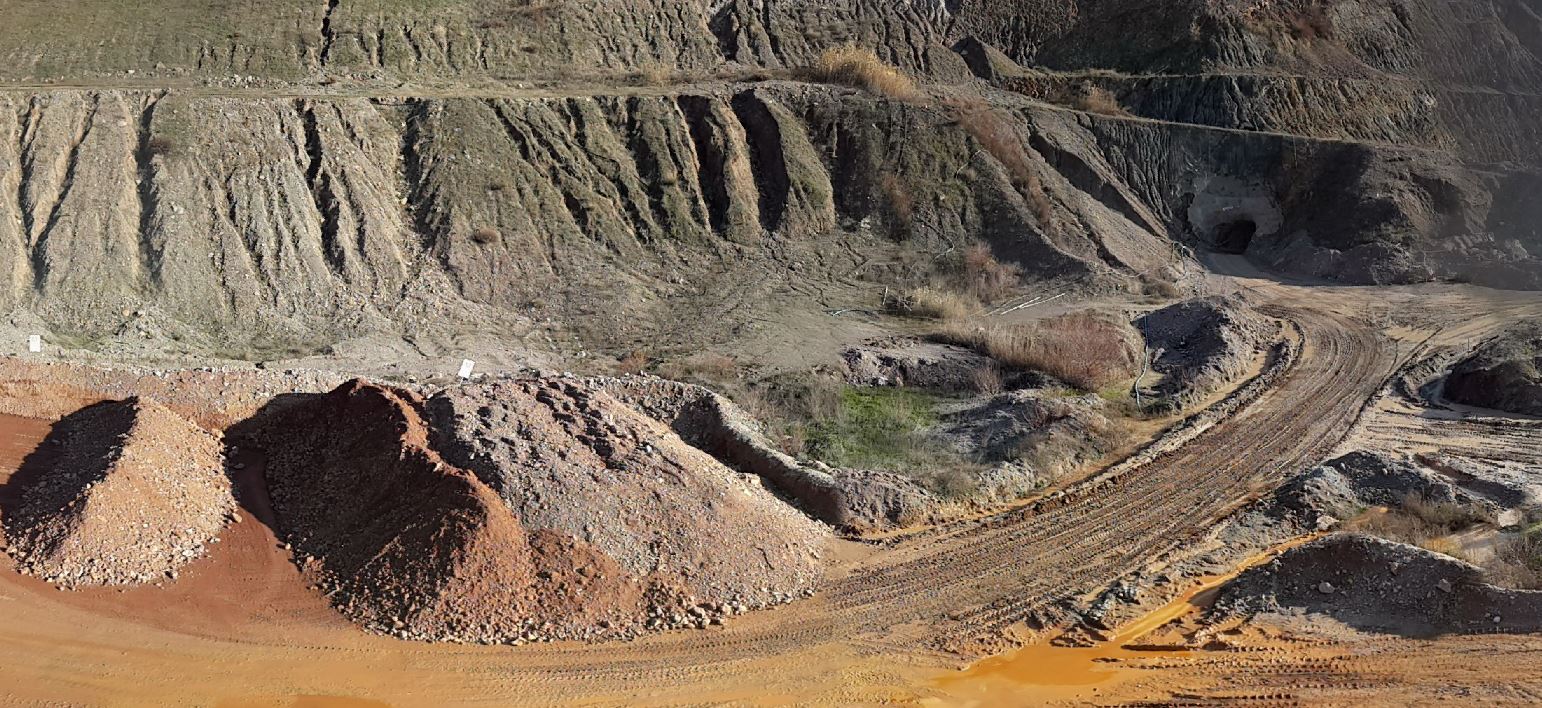
Considering that you will make measurements in cubic meters, do not forget that the stockpiles you build will compact and lose volume over a certain period of time. When you multiply the bulk density by the measured volume, you will naturally obtain a lower tonnage than what actually exists. To give a rough example, a settlement of more than 1 meter is observed within 6 months in a stockpile of approximately 200,000 tons with a height of 13 meters. When multiplied by the same bulk density, a difference of more than 10,000 tons emerges. Although this is an issue you need to address according to your operation and feed conditions, you can reduce the stockpiling error margin by taking measurements in lifts and marking the levels.
Be careful where you place the stockpiles. Large tonnage masses placed on fills near pit edges or over valleys/faults can trigger the underlying rock blocks to move along faults.
If you take samples to record values such as dispatch moisture, stockpile moisture, and feed loader moisture depending on your operation, and use their analysis in calculations, you will see a reduction in the discrepancies among production, feed, and sales tonnages.
It is beneficial to constantly monitor the floor measurements where you place the stockpiles; because if the loader digs too deeply into the floor of the feed face, you might likely be feeding waste to the plant. You can lay down a membrane as a visual warning level indicator within the low-grade ore base pad you prepared for the stockpile area.
If your stockpile area is tight, you can save space by resting different stockpiles against each other. To do this, you can lay a membrane on the slopes of the highest piles where feeding is minimal, dump over it, and fill the gap in between with a different type/quality of ore as desired.
Weighbridge calibration cannot be neglected; it must be repeated daily or after a specific tonnage is passed.

The core yard is not solely an area where diamond drill cores are processed. It is a workspace where geology departments take shelter during adverse weather conditions, and it is the laboratory that extracts the highest volume of point-source data. Core logging, photography, core cutting, sampling, density tests, and many other physical and recording operations are conducted here. Many critical data acquired by geology, from exploration to modeling, from mine production to development, pass through here. Order, meticulous workflow, and personnel discipline in your core yard are of utmost importance. For companies conducting exploration activities, the "Core Shack" (Core Yard) is the most fundamental, indispensable element.
Drill cores are the most important witnesses of your project, and during a project sale, these boxes will be reprocessed for verification purposes. Upon detecting even the slightest error in your core box acceptance procedure for the core yard, detain the driller who performed the drilling and demand that they personally correct the errors.
Exploration data must be acquired with extreme confidentiality. Having an experienced eye spot your drill cores or assay results can create major strategic problems you cannot foresee. Do not allow unauthorized personnel into your core yard.
Mineralizations enrich many metals alongside the primary commodity, which may not yet seem economic. Preserve the cores you will refer back to for potential future opportunities as best as possible. Regardless of the material of your core boxes, the writing on them will begin to fade after a certain period; because they are stacked on top of each other, the material will yield and deform, making them unrecognizable. Establish a stacking limit for each stack of boxes, or build metal-supported racks. Furthermore, during idle times, you can have the sampling personnel emboss at least the drill hole names and box numbers onto small metal tags using a punch set, and affix these identification tags to the boxes. Afterwards, you can dispatch the core boxes to your main storage.
Ensure that core photographs are standardized and clear. In the near future, performing this crucial task meticulously will gain paramount importance, as exploration activities will leap into a new era accompanied by "automation"; be prepared for this now.
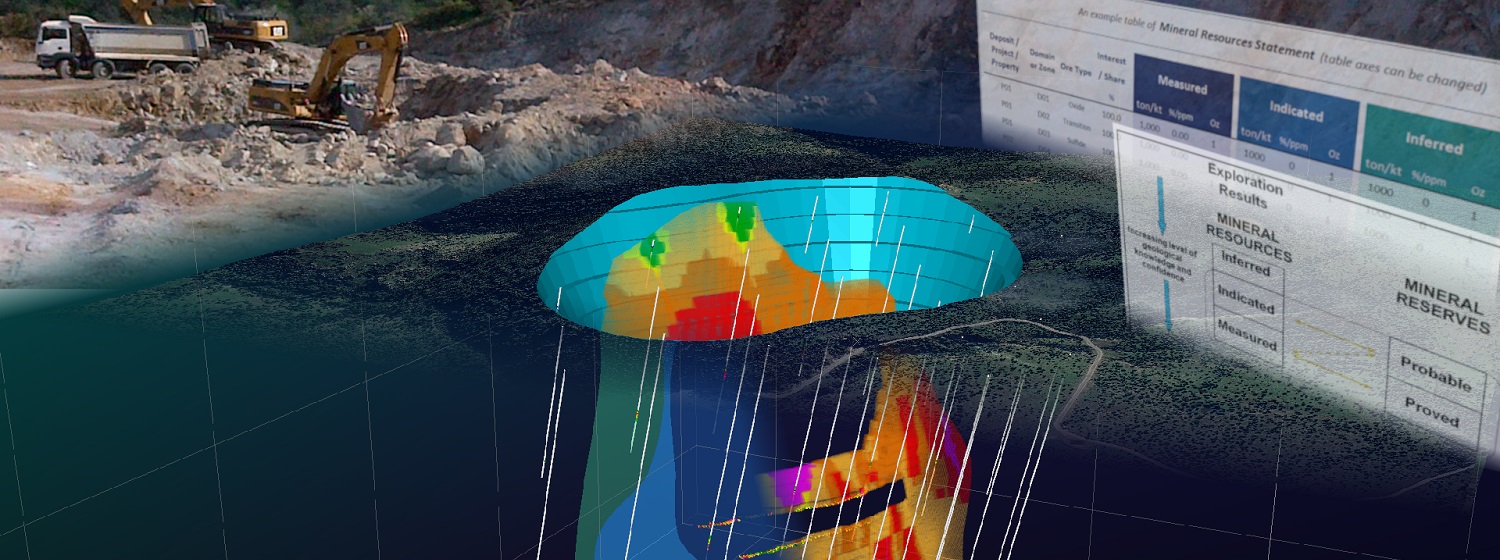
Remember that the concepts of resource and reserve hold critical importance; although they seem like everyday words, they are actually "terms". It is essential that the audience reading the reports generated as a result of modeling, where data is presented with these words, knows them. Because the value and potential of the investment to be made are hidden in these words. For this reason, ensure that everyone from the investor you present the reports to, to all the technical teams acquiring the data, fully comprehends these concepts.
During the creation of the resource model, it is of utmost importance that the professional generating the solid model (wireframe) works full-time within the project and has a thorough command of the entire structural geology. In the past, due to the scarcity of personnel with interest and proficiency in 3D software, companies found it more appealing to have their projects modeled by a centralized management. During the phase of building the model's foundation, one must not forget that the thoughts of a geologist who can visualize the ore in their project are highly valuable. In this case, communication between resource geologists and mine/project geologists can only be achieved in a 3D digital environment. Mine/project geologists must know that every point they use while generating the solid mass needs to be meaningful. Mine geologists or exploration geologists who have completed their professional foundation should be made aware of their boundaries for modeling. This will be a tremendous advantage.
It would be beneficial for you to ask mine geologists to grade, code, and name the 3D drawings of faults encountered during production according to certain criteria. If the displacement is not understood on some levels or if this reflects as an issue in the grade estimation process, as you continue towards the lower levels, you might realize that faults manifesting themselves with more distinct displacements horizontally actually originate from vertical displacements in the upper elevations.
The requirements of resource geologists are critical for grade control program optimization. As touched upon in the mine geology sections; taking a sample at every advancement face often creates unnecessary expense and a waste of time. Together with the mine geology departments, you can determine the minimum required sampling density in the resource model sufficient for reserve determination. This way, the grade control process can be managed even by taking a single sample from the entire face in sections where multiple advancements are unnecessary.
If you are in the project evaluation stage, beyond checking the drilling and sampling data, you must also verify the parameters and variograms used for estimation. Furthermore, if anisotropy was preferred in the estimation, the anisotropy angles and the reasons behind them should be interpreted in conjunction with the ore formation dynamics.
Ensure that in your operating system's regional settings (Region > Additional Date, ... > Region > Additional Settings), the decimal symbol is a period (.) and the digit grouping symbol is a comma (,) (Example: 1,234,567.89). Making this setting once is sufficient. Enforce this with strict discipline among all personnel to avoid issues with numerical data in 3D software, office programs, reporting files, inter-departmental communication, and future stages.

Although the primary goal of drilling is to intersect the ore, the alteration and geotechnical data to be acquired from the waste rock is also critically necessary. Drilling for exploration is planned to intersect the ore body through the shortest path and at the steepest possible angle. Thus, since most of the data about the rock will be on the dip direction side of the ore body, shafts, ramps, and haulage drifts can be preferred within the hanging wall during mine design.
Let's go over an example: During hydrothermal mineralization formation, acidic hot water/steam will want to rise, directly resisting gravity. Considering it can frequently cause argillization in the rock on the dip direction side, the rock strength will be quite low. In contrast, it is an advantage for haulage drifts to be located in the footwall block for ore development drilling planned underground in the future.
Pulling up a chair next to the geologists at their screens while still in the exploration phase and discussing your plans will be beneficial in terms of planning drill holes at the right locations on the footwall side as well. At the very least, you will drink a cup of tea, determine the league champion, and get up.

Unfortunately, operating permits are hard to obtain; on top of that, in order to save on waste dumping costs, waste and ore dumping areas are densely packed into a narrow space. When steep topography is added to this, millions of cubic meters stacked near open pit boundaries often trigger major slides along fault surfaces. It is highly important during the planning stage to get the opinion of individuals who will conduct geotechnical and geological studies capable of foreseeing mass movements, the causes of which are often misunderstood. The root cause of most open pit or dump accidents is obscured by the precautions that were not taken when cracks in the soil were detected. In reality, the result is the "crack," and the cause is the "precaution not taken" during the planning stage.

To see the ore's position and the production plan, and to be able to envision it afterwards, try to visit the technical office or the geology department before the first shift at the beginning of the week if possible. If you make this a habit, even when you look at the computer screen for a few seconds, you can piece the whole picture together in your mind and make the most accurate decisions where you need to use initiative.
It is important to keep a logbook of the layout you took over, the decisions you made, the performance data of your shift, and who you told what to if necessary. If you save these notes at the end of the shift in an Excel file row by row with person, date/time, drift, advancement meterage (geology meter), event/topic, etc., you can create a conscious order through retrospective search/filtering. Every captain has a logbook.
In places where inter-level, longhole, or similar high-tonnage production will be carried out, it is important to work in coordination with geologists while blast holes are being drilled during your shift. You can perform the most efficient blasting with the information provided to you regarding the ground conditions to be drilled, scanned from records such as face maps, drill holes, and previously identified faults. Of course, remember that for this, the planning department needs to share the hole rows and addresses of the holes to be drilled in a standard way with everyone involved.

Showing sensitivity to in-ore blasting, which was previously ignored due to slowing down the workflow, can now be quickly resolved with increased software proficiency. While designing the drill pattern, having the survey-mapping team obtain the most up-to-date ore-waste or high-grade zone boundaries from the mine geologists and adding buffer holes only along these lines will increase production quality. If you do not want visually displeasing scenes at the time of blasting, these buffer holes must be marked in a different color so the personnel can load them without ruining the mood.
Important: One of the blocks belonging to significant faults on the slopes may swell with the water it absorbs after a heavy downpour and move towards the pit opening. The rock becoming saturated with water and swelling due to its clay content will trigger flowing along the fault surface. Therefore, reporting and monitoring the water inflows from the slopes will give you an idea of how long heavy rains can mobilize such faults. Mass movements reported on the morning of a night where more than 5 hours of heavy rain are added to water-saturated rock at the end of winter or in the spring months are frequently observed.
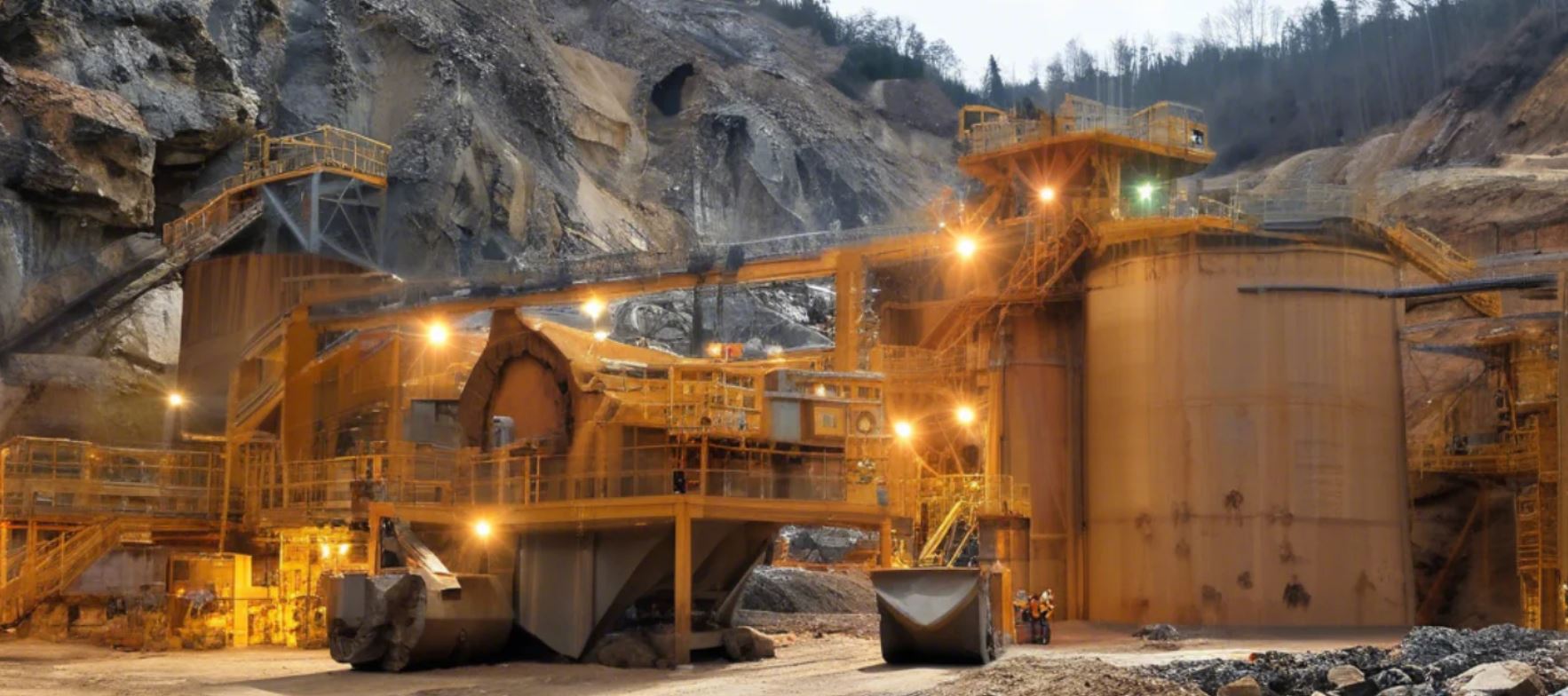
Continuous contact between the personnel conducting and supervising the metallurgical process and the mine geology or modeling personnel is essential. This involves the mine geology department, which tracks plant performance data day by day, calibrating itself to assign more accurate grades and improving the estimation method it applies. For this reason, the more you feed the geologists with your feed and tailings performance data, the more your process performance will increase proportionally.
Having a concrete floor and a roof in stockpile areas will directly affect your crushing/grinding performance in rainy weather. Merely covering the feed face of the stockpiles with tarpaulins is not a solution; remember that the material acts like a sponge; in the medium term, every part of the mass will absorb water. If management insists against a roof, you can say, "Let's put solar panels, it will pay for itself."
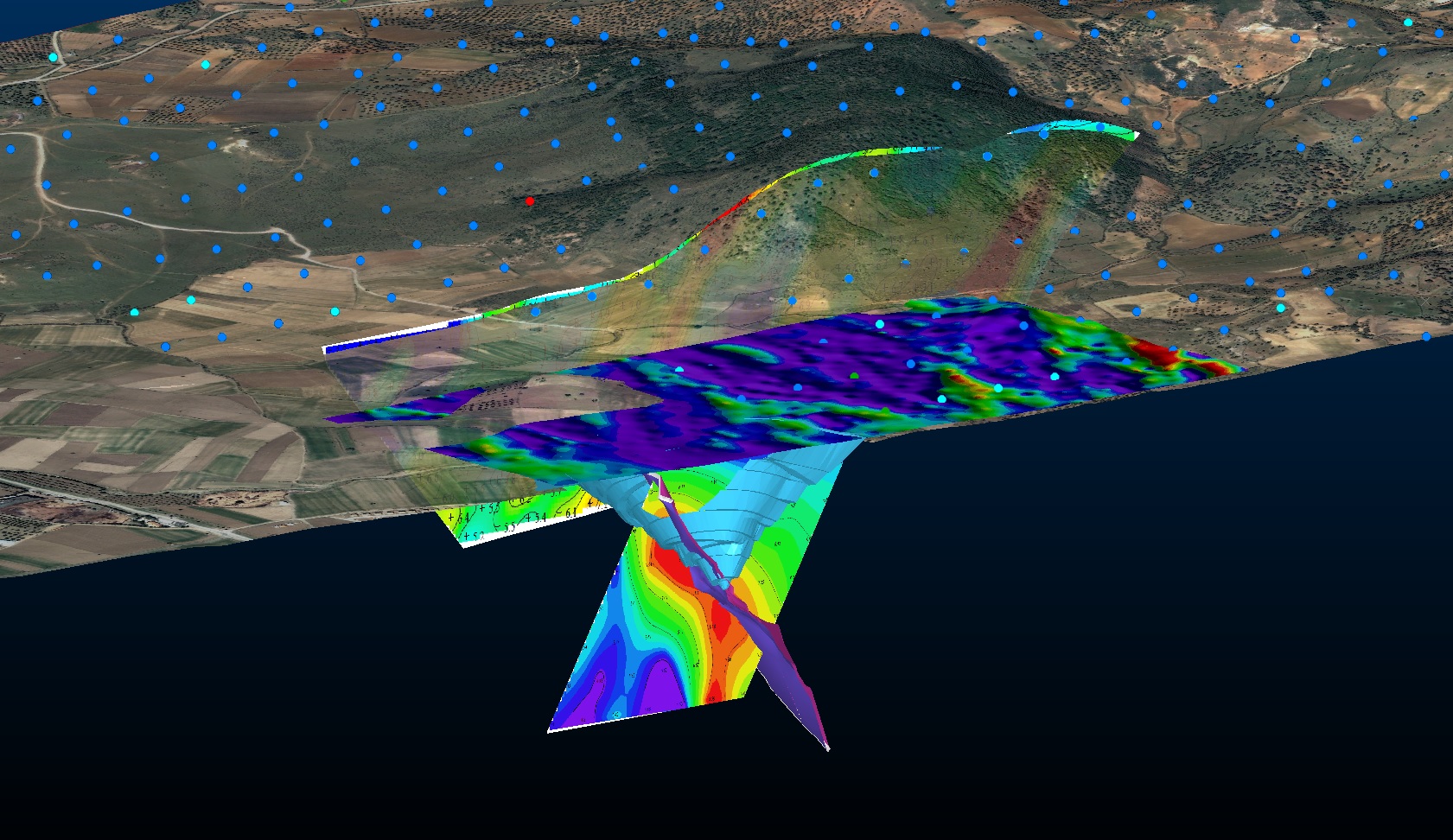
In the mining sector, methods other than Electrical Resistivity - Induced Polarization (Res-IP) and perhaps seismic for a section of hydrocarbons are rarely used. Apart from rendering the acquired sections into 3D via software, the science of geophysics cannot make much progress on these methods. There are many subjects open to development in geophysics, and investment is essential; because there are not only hydrocarbons beneath the seabed, there are metals too. 😉
When interpreting sections, it is beneficial to get help from a map of structural geology elements or from geologists. Because the area you characterize as an anomaly might be an alteration zone, and the anomaly you point out as ore might be a permeable rock with slightly higher water content. Furthermore, you can make wrong choices while correlating anomalies across different sections.
It is obvious that the lesser-known Ground Penetrating Radar (GPR) can yield excellent results at insignificant costs by utilizing lithological differences in underground and open pit operations. But for mining companies to find this method useful, they need to try it, and for them to try it, it must be presented to the relevant people. The problem is probably understood.
Although geophysical methods and sensors have diversified since World War II, it remains a major question mark why they have not yet spread to the grassroots and become widespread in mining applications. We hope World War III does not happen and geophysics attains the value it deserves, at least in terms of mining applications.
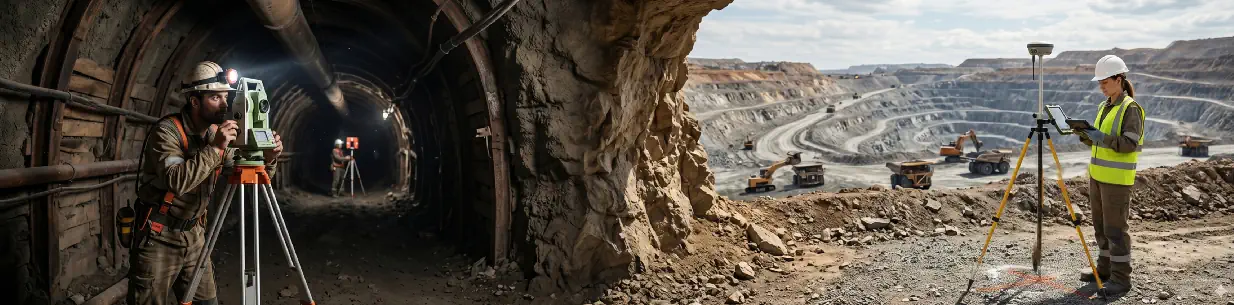
Survey-mapping department employees, known among the best archivists, finalize the files they create and name them in the most appropriate way to be sorted by measurement date format (Example: year-month-day-location [241231TurkeyTopo]). Indicating the coordinate system with which the file was created using a standard code in the naming format will prevent confusion (Example: for ED50 6 degrees, year-month-day-location-Datum [241231TurkeyTopoE6]).
As you know, the general software infrastructure in the sector is English-based; even if you use a Turkish program, when the time comes, you will need to use it across different programs. To avoid usage issues in almost all GIS and 3D software, do not forget to write all file names and the folder names where you place your files using English characters.
Ensure that in your operating system's regional settings (Region > Additional Date, ... > Region > Additional Settings), the decimal symbol is a period (.) and the digit grouping symbol is a comma (,) (Example: 1,234,567.89). Making this setting once is sufficient. Enforce this with strict discipline among all personnel to avoid issues with numerical data in 3D software, office programs, reporting files, inter-departmental communication, and future stages.
The gap created by survey engineers, technicians, and self-taught surveyors with their computer skills from the past is closing as software becomes easier. This situation drives them to learn the development process of aviation and photogrammetry on the surface, and Lidar underground.
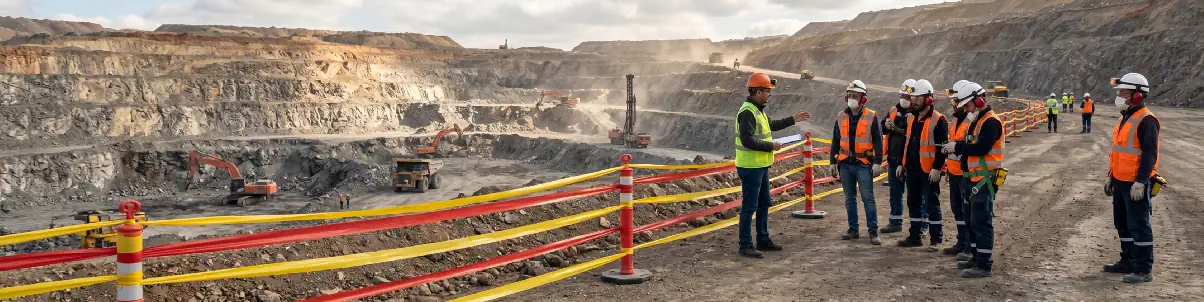
In operations, occupational safety departments have generally created a perception of a "police" force. Unfortunately, even if the opposite is attempted with the best intentions, achieving a successful outcome hardly seems possible. It is necessary to proceed by accepting that this is a "de facto" situation.
The biggest obstacle against creating a culture is "experience". As employees do the same job for years, their hazard perception thresholds increase equally. This is quite difficult for an OHS employee who is a new graduate or loves their colleagues very much. At this point, the power that will enable them to eliminate the elements hindering them from doing their job is documentation. Knowing that the step-by-step instructions for the work employees do are written somewhere provides unparalleled protection for everyone. Making the employee aware of the existence of a law they are responsible for in every job they do is the softest and most effective sanctioning power available to ensure the job is done right. During documentation creation, OHS personnel must ensure that topics concerning occupational safety at relevant points in procedures and instructions are written in different fonts. They should conduct their audits by reading only these sections in the procedures rather than the entire tasks.
It is impossible to buy documentation ready-made; however, the corporate culture can create them. The fact that step-by-step instructions for all the tasks they perform, ranging from working without bending over during a simple task to operating complex machinery, are written by themselves will also include them in this cultural movement and increase their motivation. If you complete the documentation and place it somewhere accessible to everyone whenever they want (printed or a computer connected to a server, screen, kiosk, etc.), highly productive discussions can take place and social awareness can be built.
Mining is a job done in the most dangerous work class, in confined spaces, with physical effort and qualified workforce; our country is a mining country. Moreover, our country is an "earthquake country" at the junction of active continental movements. In earthquakes, mining accidents, disasters, and under rubble, "our miners" have always been and will always be at the forefront. They have to be, because there is no profession that can do search and rescue better than "miners". It is essential to register all members of this long-suffering community—who selflessly devote themselves to Mine Search and Rescue (MAKUT) groups and complete their training—with the state and to define additional benefits. Thus, it will be possible to quickly assign and organize these heroes from a center during a civilian mobilization.
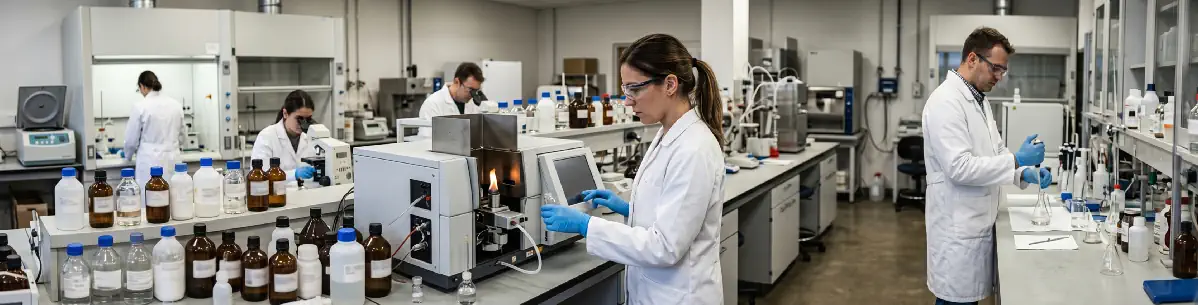
Informing geologists and mining engineers on-site about the analytical methods used will prevent occupational blindness. A brief presentation so that relevant departments know the detection limits of the commodity and methods, the handicaps that may occur in the analysis due to non-analyte elements, and the analysis types and institutions for which the laboratory is accredited will be highly beneficial.
Although work in analytical laboratories is generally carried out in a strict discipline and a workflow devoid of initiative, this meticulousness can be neglected in sample preparation areas. Factors such as access to the sample receiving area by unauthorized personnel, personnel being distracted, dust flying around, and windows left open can cause cross-contamination between pulps right at the entrance section.
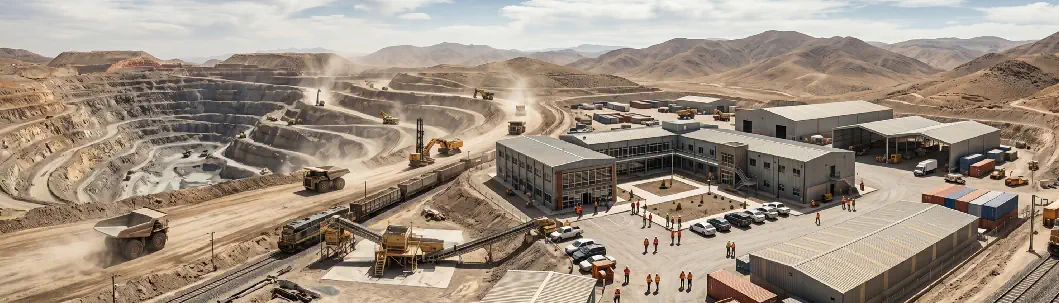
Performing every job within a plan or instruction ends with obtaining the product resulting from that job at the same quality. Quality management departments must not forget this main motivation topic. It is essential to audit the implementation as much as what is written; intra-departmental controls can be encouraged through various means.
The more "Job Safety Analysis" (JSA) reports reach the occupational safety departments, the more obvious it is that there is a deficiency in instruction. You can draw inferences from these records.
"Document writing and form creation," which cannot be purchased externally and are solely the fruit of corporate culture and traditions, are processes that take quite a long time and where concentration is disrupted by the slightest external factor during writing. Explain to the relevant managers, without needing empathy, the necessity of relieving the assigned personnel of their workload on certain days in this situation.
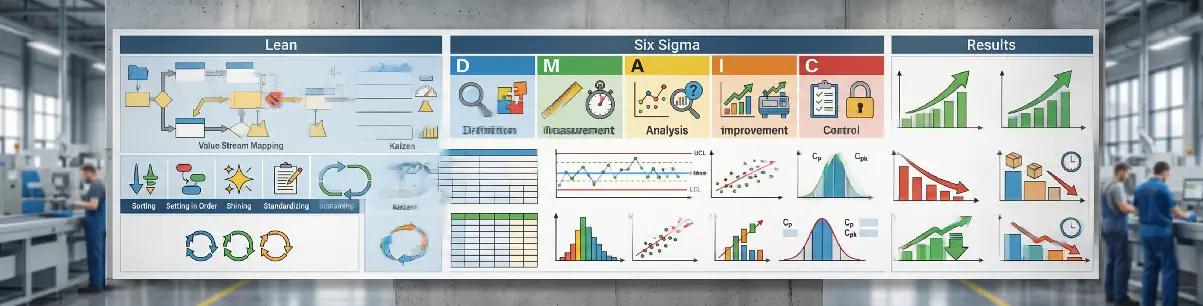
There are frequently spoken sayings that development is provided by the lazy; contrary to this, the hardworking may fail to see opportunities or improvements due to the instinct to continue the existing process smoothly. If you have a well-functioning, trouble-free system, you might have ignored a long road you could travel for development. In order not to leave a door open for potential neglect, assign a business development personnel from each department to a professional business development team under a leadership you will establish or consult.
It is not mandatory for business development leadership to be held by someone with direct knowledge of the sector or the works. The leader's habit and skill of analysis will direct the steps regarding any line of business towards potential by scanning them with the right perspective. You can consider that the employment or extra expense you make for the famous "Lean + Six Sigma" will bring much more to your company.
Unfortunately, mining usually starts 1-0 down against arguments serving different purposes under the guise of "environment". If possible, it is imperative that many companies come together on a regional scale and respond in kind, because it must not be forgotten that everyone is in the same boat. It can start by rehabilitating a specific part of the completed sections of operations conducted in stages with fast-growing trees to create temporary or permanent recreation areas. Although it is the duty of "Public Relations" to host the public with picnics and festivals by decorating these trees with lights day and even night, the importance of the rehabilitation strategy shows itself here. Perhaps the "1st Traditional Open Pit Festival" will be celebrated enthusiastically with eggs and sticks, but the taste of ayran and döner sandwich served under the shade of a group of fast-growing trees will undoubtedly be remembered after the 2nd one.
One must be sincere about waste management. Is the benefit provided by separating plastic bottles and paper at the source worth the visual pollution created by multi-alternative trash cans?

We know the impact of advertising campaigns created through social media communication on public opinion on almost every topic. Mining companies or company associations need to manage perception by assigning professionals for the mining sector, which is extremely sluggish in this regard. The core plan to focus on here should be germinating the motivation of young people to earn income from mining, rather than convincing a small group of middle-upper age group who harbor an outdated negative opinion. It is necessary to be the subject of organizations in fields such as robotics, e-sports, content creation, and music, and to encourage young people to have a positive view of mining by giving them a share of this budget. Since laws and decisions are shaped by the traditions and tendencies of the public, it is important to take these steps in order not to be defeated by the public opinion formed by young people who have a negative perception of mining in the future.
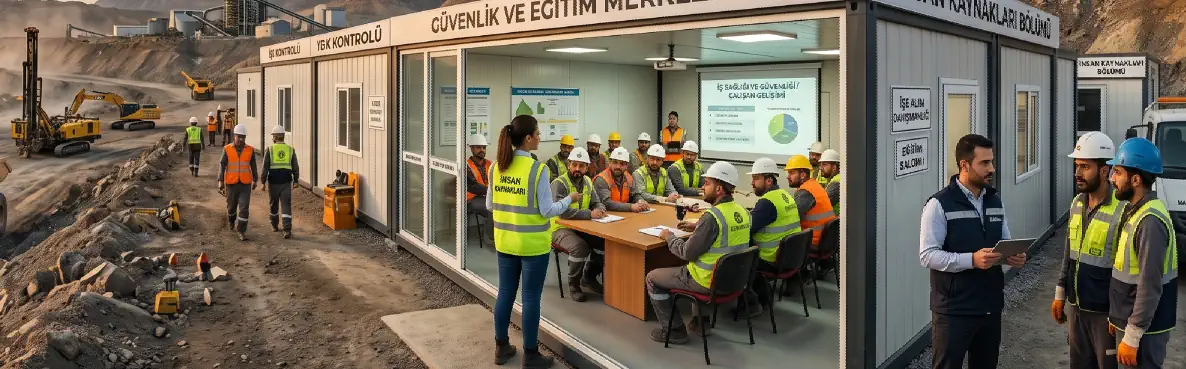
Don't be timid when rounding up during raise season 😉 Just kidding. It is quite difficult for personnel orientation and recreation activities, which generally look fancy, to gain the meaning they deserve in working life; because when you don't do them, it is not understood what you have lost. After the routine difficulties experienced in working life, people who are disconnected from communication hold grudges against each other internally. When unnecessarily prolonged overtime hours are added to this, you leave no other way for the personnel after finishing their work. Communication, sincerity, tolerance, and respect established "in moderation" among people with activities unrelated to their subjects will bring these along.
For friends who generally eat lunch at the same table, when the month of Ramadan arrives, let's remove the 1-hour eat-and-leave iftar programs accompanied by ney and bendir from this topic; even tea and sunflower seeds after iftar seem more logical.
The 7/24 working capacity of the sector is a great advantage that is hardly noticed. Instead of a weekend holiday, a block working/holiday schedule will allow you to keep your employment pool quite wide. The fact that the region where your employees reside is as wide as possible will support your company in having perspectives from different cultures and your corporate working discipline. With a fringe benefit system that can be made more economical through corporate agreements such as block holidays (3-10 days), round-trip flight tickets, and short holiday accommodation expenses, you will attract quality and optimum cost employees in a very wide area to your job postings. Personnel in rotation and with peace of mind will have fewer problems, and the culture they bring along will bring healthy competition for more efficient work.
Consider interns as "employees".

Archiving and retrieval from the archive are of critical importance in the mining sector. Amidst highly volatile mineral prices, data that you think is useless today may constitute priceless values years later. The job of almost everyone working in your company is actually to create, save, and retrieve data when necessary. Therefore, the importance of a robust network infrastructure, ease of connection to this network, and redundant network storage is quite obvious.
In periodic reporting such as daily, monthly, or yearly, multiple departments entering data into the same file at the same hours can cause the server to slow down. Furthermore, overwriting issues in the file where personnel unknowingly enter data can lead to the incorrect generation of reports. It would be beneficial to discuss with department managers to restrict access to multi-user folders or files only to authorized personnel.
After saving the data to the server, the fact that many documents and their backups that are never looked back at wait there for years increases the clutter. This situation may cause personnel to waste time with other files that attract their attention during searches made to find the desired file retrospectively. Worst of all, "foreseeing that they won't find what they are looking for" can render the entire archive and the effort of personnel working for years meaningless. It is important to assign responsible personnel in the organizational chart for each folder opened under the server and to supervise this process. It would be appropriate to discuss this issue with department managers as well.
Finally, the resources you will spend on modernized and fast equipment will contribute to the work being done seamlessly and protected from errors.
For vehicles running on fuel, the battery is generally an unseen source of problems; it can usually fail at the most unexpected time. A rechargeable jump starter device with a 12-volt output in the size of a USB/powerbank that you will put next to the spare tire can help you solve the malfunction without waiting for remote assistance or needing another vehicle to make long cable connections.
In unexpected tire blowouts, you can continue on the road in a few minutes with a simple tire repair spray that you will put next to your spare tire, so you can get your job done without needing any other support.
Hygiene shows the respect every company has for its personnel. Leaving common areas such as toilets and locker rooms dirty may reflect the importance companies place on hygiene. To prevent these habits, everyone must know they are in the same boat. In the event of unhygienic situations developing, sanctions can be applied by having a personnel member inspect the common areas throughout the day and report nonconformities. In this way, personnel will acquire the right habits in a short time. Such solutions are necessary to put an end to outdated treatment of common areas.
Attention should be paid to the gloved hands of personnel collecting office and open-area trash. If they open doors with their gloved hands, they might be collecting trash with the same hands. This situation should be considered for everyone using gloves.
Inconsistencies and errors can generally be seen in data files such as production, stockpile, surveyed tons, and grades where your personnel enter data and create tables. Not being able to predict when errors started and not being sure of data accuracy in interconnected files can be quite frustrating. In cases where corrections are not provided despite warnings, saving a copy of the inputted files in the same location and making inputs to the original and the copy simultaneously offers an important solution. You can also confirm by taking two printouts at every data notification. This method will not only ensure accuracy in data entry and presentation but also support personnel in acquiring the right habits.
When organizing personnel working times and locations, it may be beneficial not to stick to taboos. For example, considering the time a person working 08:00-17:00 on weekdays will lose in morning and evening traffic, arrangements such as setting working hours to 07:00-16:00 or shortening lunch breaks to finish the shift early can be made. Alternatively, instead of continuous work for 5 days a week, arrangements such as continuous work for 20 days and block holidays can also be evaluated.
Equip your workers and personnel whom you send to the fair with authority for procurement, let them have the power to get prices, discuss technical details, test, and add-remove at the booths they visit. If you grant voting authority for purchasing various types or direct selection rights when the employee returns to work for these, the fair visit will be different from a vacation, and more fluent communication will be established with sellers.
By installing information screens (Kiosk, etc.) in areas where personnel wait for shuttle and transfer vehicles, rest, or eat, you can make your current announcements and ensure their awareness in matters of documentation such as instructions, forms, occupational safety, and environment during these idle times. It will also be beneficial to add access and printing facilities from the screens.

Mining companies are referred to with a classification as Tier I - II and III by international investors, especially for publicly traded companies on the stock exchange, according to operation size and global effectiveness. Examples that can be defined in Tier I and II levels in our country can be counted on the fingers of two hands, but we can talk about many Tier III initiatives. Even if you are still at the investment stage, you can determine your strategy by defining your size in a similar way with your budget and the licenses you will acquire.
If it is necessary to make a sub-classification, we can branch this in 3 ways; exploration company, exploration-extraction and sales company, or exploration and operation company. Here, you can earn profit from mining by acquiring licenses in the first type, exploring the ore potential in these licenses, developing it up to a certain level, and selling it. In the others, you will need to operate the potential you have detected and generate income by selling it as run-of-mine or concentrating it to the final product, while at the same time acquiring other licenses and continuing mineral exploration on one hand. In any case, it is important to determine the "Cut-off Grade," which depends on many dynamic parameters. Because according to this, you will have determined whether the resource you have is useful or not; its true value.
Before every quarter, acquire short-medium-long term price expectations for every element that affects your costs and income from your investment advisors. Based on your expectations regarding the commodity prices you will deal with, determine your strategy with your exploration and operation managers similarly to portfolio management. The risk level of the selections to be made from your exploration manager's targeted license/project basket with the aim of ensuring sustainability will determine the foundation of your strategy. The cost and feasibility report of your operation manager will determine this risk level. The underlying element of all these is the budgeted commodity; your income-expense prices. To give an example of this, you can make a profit by taking a risk and investing in a project with currently uneconomic grades, considering the possibility of it becoming economic 2 years later according to your price targets. Or, to keep the mill turning or enter mining, you can include a ready project in your portfolio, anticipating a quite low profit return. Under any circumstance, knowing the value of the said license or portfolio as close to reality as possible and creating a strategy accordingly is a highly sensitive issue. Otherwise, the license you will acquire by relying on statements like "truck after truck, wagon after wagon of goods are coming out of this pit!" is likely to consist of an emptied project, or conversely, you might have pushed an opportunity away with the back of your hand. You can make controlled decisions by obtaining consultancy support on technical matters for the board of directors.
Make plans, set goals, set terms, and determine deviation rates in line with your strategy. Completing numerical and clear targets will motivate the entire team, will automatically ensure new targets emerge, and thus will enable you to progress.
Have daily, weekly, and monthly periodic reporting arranged as numerical tables and chronological graphs showing the operation as much as possible so that all departments are on the same page. Interpreting the recent progress for each period over tables and graphs is the easiest problem-solving method.
Support document management and instruction, audit it personally, and reflect to all personnel that you care.
If you believe you have determined the right strategy, proceed with determination.
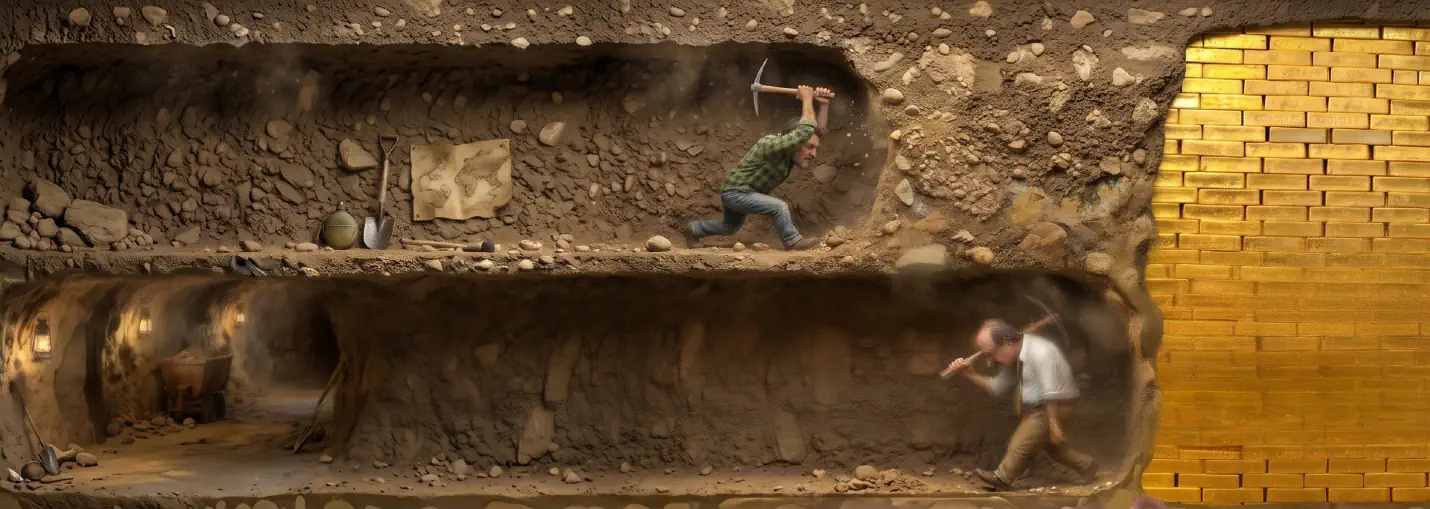

Depending on the size and goals of your operation or enterprise, employing a highly qualified workforce can be quite costly. In this case, by collaborating with consultancy firms you trust, you can achieve success with the most modern methods and ready motivation without being left alone in management. Consultancy firms can improve your processes thanks to their experience and expertise, provide you with the necessary strategies, and support you on the path to success. Such collaborations will help you use resources more efficiently and reach your operation's goals faster.