Mining Portfolio Development and Project Selection Strategy
Analyzing key concepts: brownfield, greenfield, blackfield for mining companies in strategy development, project portfolio building to sustain mineral reserves.
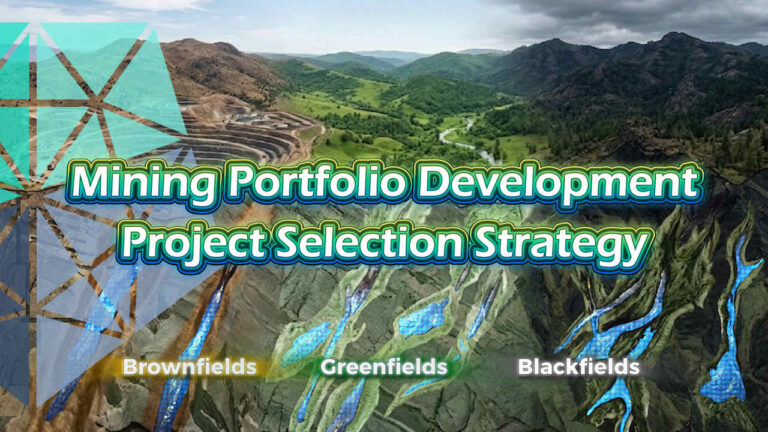
Analyzing key concepts: brownfield, greenfield, blackfield for mining companies in strategy development, project portfolio building to sustain mineral reserves.
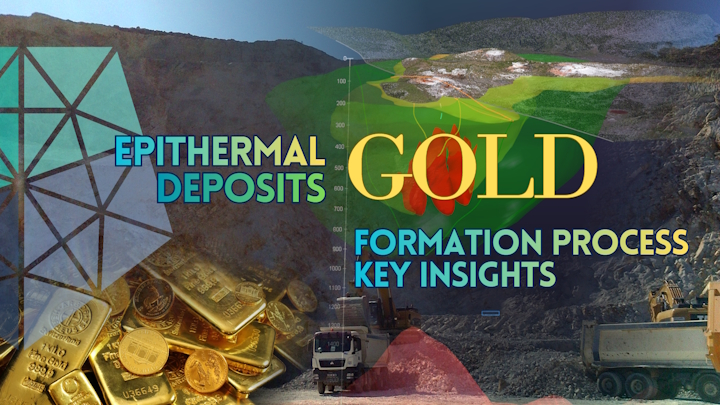
Discover the formation process of epithermal gold deposits, their geological settings and key indicators, conceptually in 3D, and gain exploration insights.
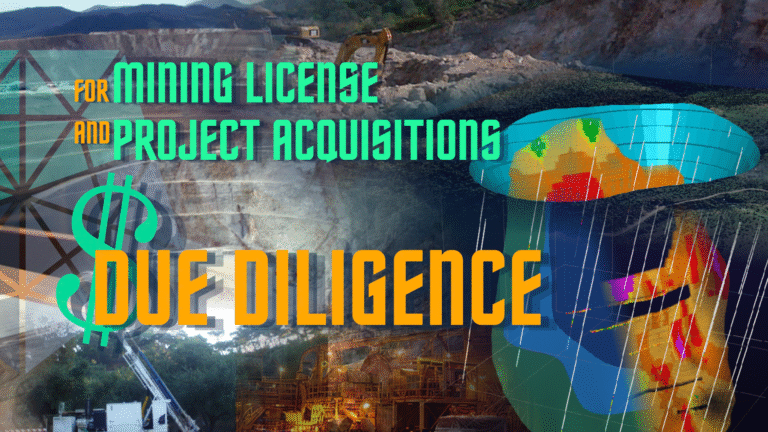
Determining real value is crucial in mining license or project acquisitions and transfers. Here are the key due-diligence topics for pre-investment valuation.
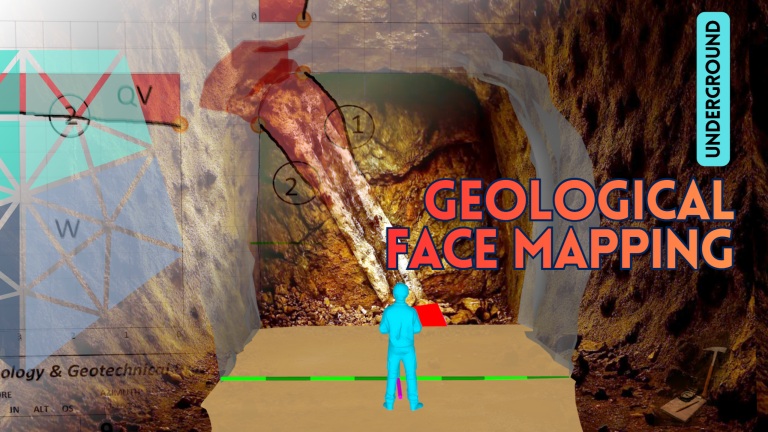
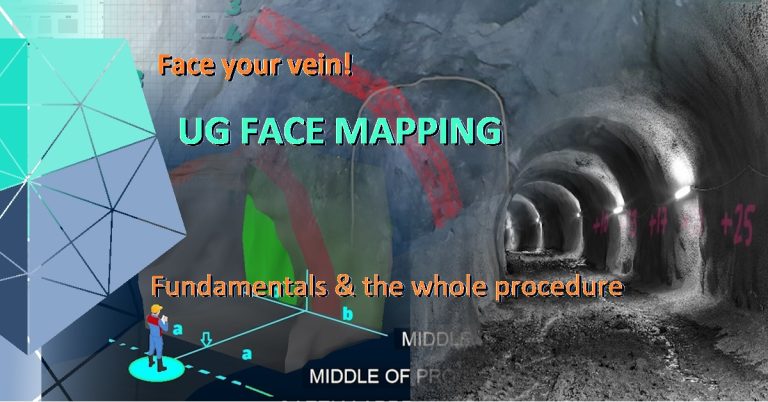
Explore geological face mapping process of surfaces created by underground advances, critical for grade control, modeling, and mine production planning.
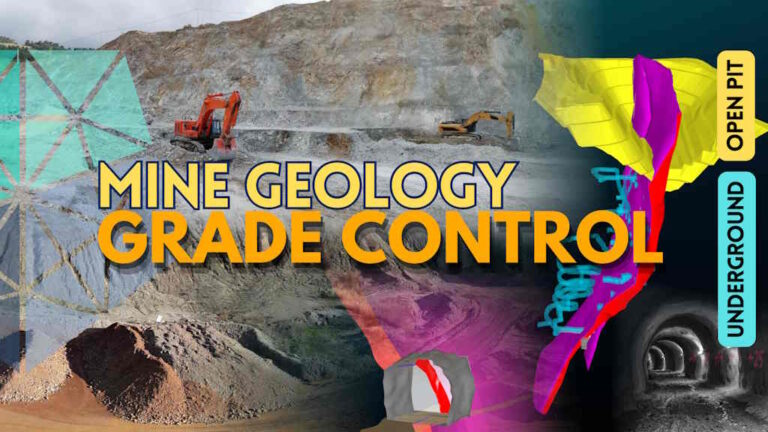
Understanding the role of mine geology and grade control in efficient open-pit and underground mining, stockpiling, and near-site mineral exploration.
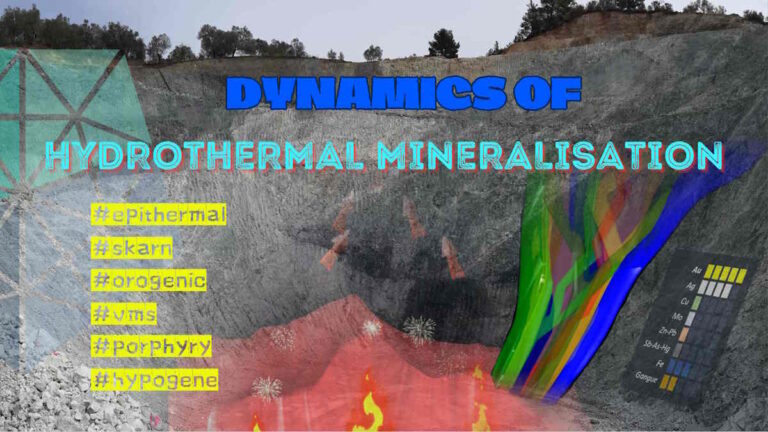
Examining hydrothermal mineralization processes and core dynamics that are vital to decision-making and essential in forming metallic mineral deposits.
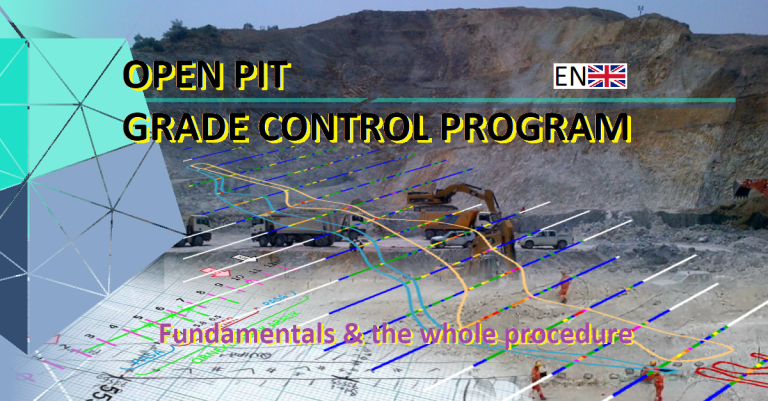
Detail all steps in modern open-pit mining to enable collaboration across disciplines, ensuring a systematic ore production cycle.
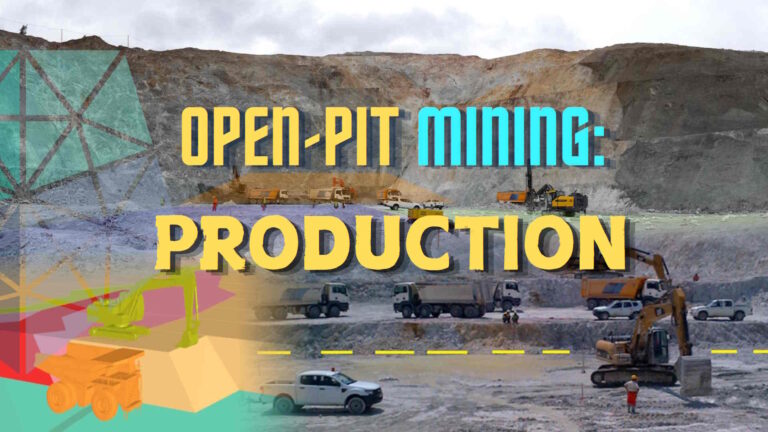
Detail all steps in modern open-pit mining to enable collaboration across disciplines, ensuring a systematic ore production cycle.
Let’s establish a mining company that’s nearly unreachable, with departments and human resources united by the same motivation to achieve mining goals.
In this guide, we outline how to compose & evaluate mineral resource reports, highlighting key factors that the other party may consider when selling a project.
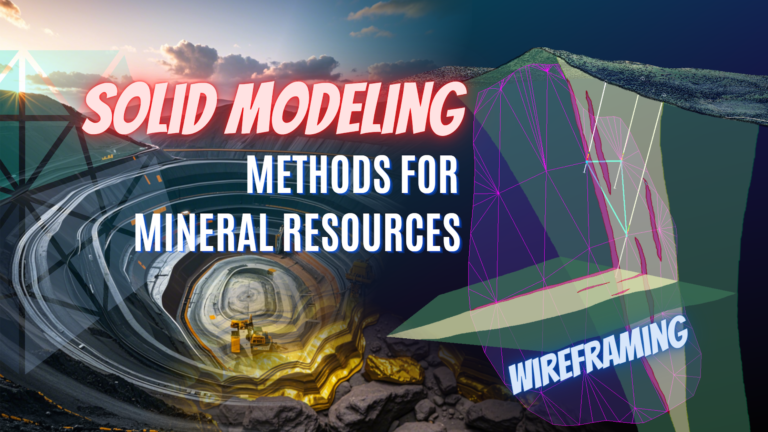
Comprehend the significance of ore body modeling "wireframing" for mine operation, resource calculation, and reporting by exploring the most well-known methods.
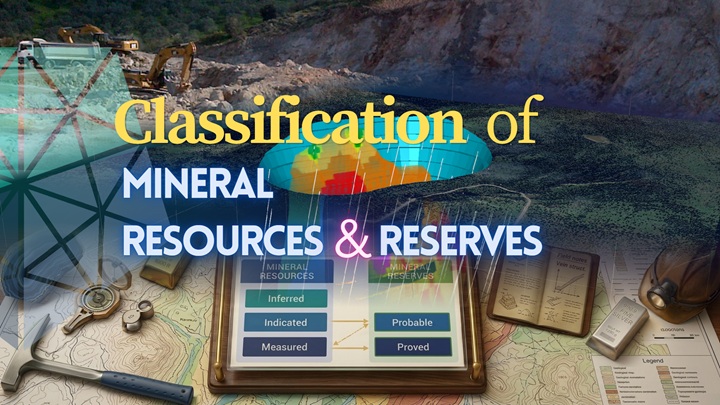
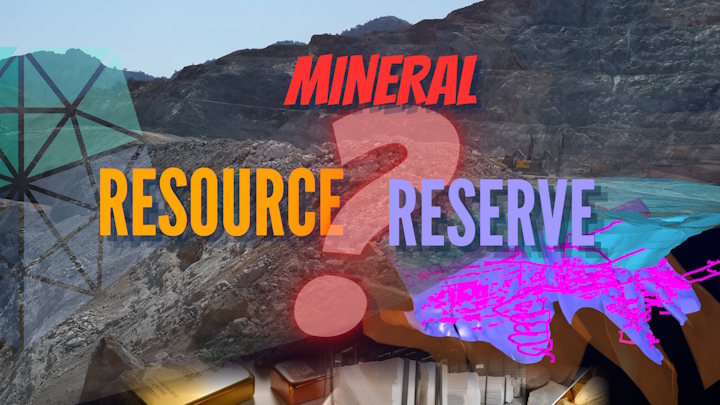
Visually explore meanings of terms used in classification of mineral resources and reserves in reporting and statements compliant with international codes.

Explore the strategic and rational elements necessary for achieving success when starting in mining or managing exploration and operation investments.
Explore essential resource modeling terms frequently used in mineral exploration, licensing, project acquisition, and operation, with the aid of visuals.
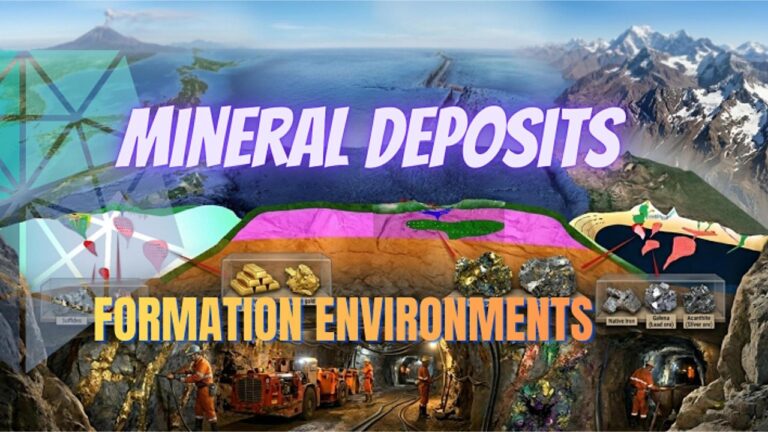
To understand the formation of well-known metallic ore deposit types, let's examine their formation environments through models and grasp their foundations.
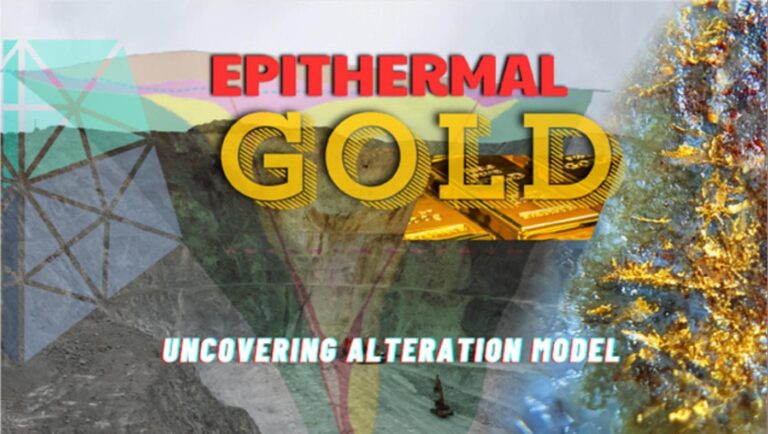
Discover alteration zones of epithermal gold deposits through unique photos and models and interpret the concept of hydrothermal mineralization characteristics.
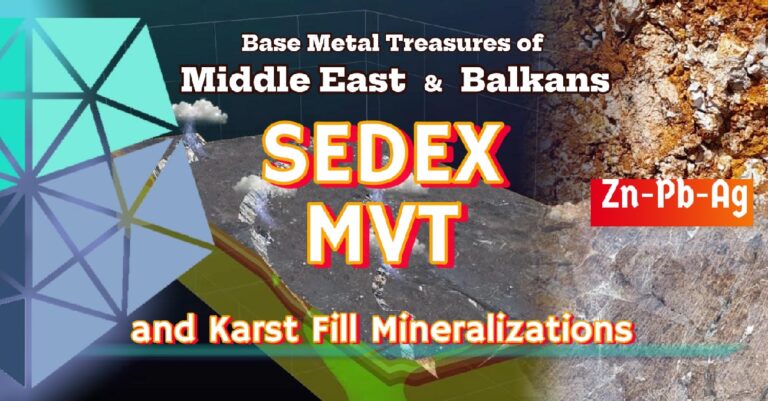
Discover Carbonate Hosted SedEx, Mississippi valley type (MVT) & karst mineralizations with Middle Eastern Zn-Pb (Ag,Cu,Fe) sample models with unique animations
We unfurl "systematic soil sampling", rightly or wrongly the most widely used geochemical method, in the preliminary stages of mineral exploration over models
Unforeseen dangers, secretly growing risks and consequences caused by faults on open pit mines and surfaces & stockpiles on fields with case studies analysis.
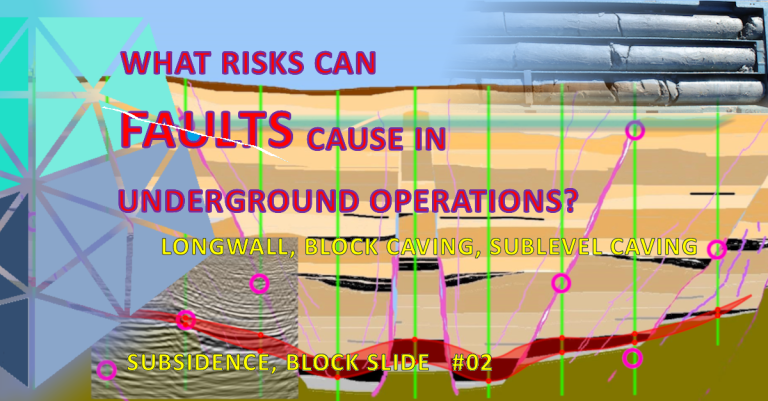
Surfaces formed as a result of the pressures exerted on each other by rock masses movements on the Earth in a certain direction as "cracks" (joints), and if there is a significant movement of the masses around them, we define these cracks as "faults". The movement of blocks that travel a distance laterally and/or vertically relative to each other in 3 dimensions is the term we call as "slip", "displacement". As a result, the use of the term "fault" instead of "crack"(joint) is determined by the presence of a "significant" slip, as it is possible to observe a slip of a few centimeters or "hundreds of meters". Simply put, the amount of slip that will cause you discomfort or anxiety in your mineralization will constitute a "fault" for you. The term "fault" was first used in the late 18th century by Scottish geologist (physician, natural historian, chemist, agriculturalist) James Hutton (1726–1797), known as the father of "modern geology" in some circles. The word "fault" originated from the Old French word "faute" which meant “opening, gap; failure, flaw, blemish; lack, deficiency” was first used in the late 13th century, thought to be derived from Vulgar Latin word "fallita".
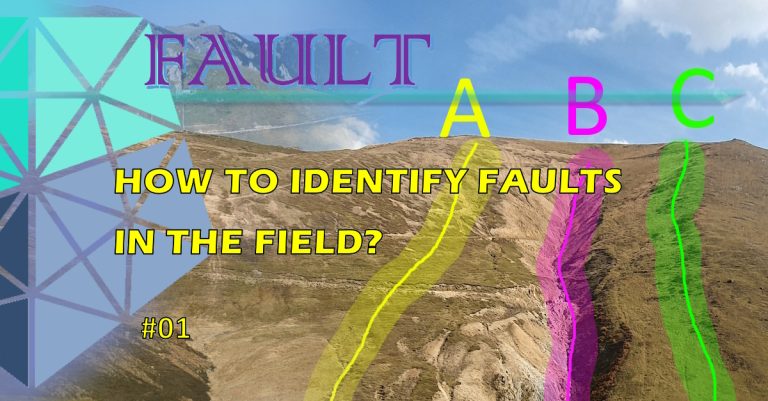
Discover traces on the surface to unveil fault in the field, delve into the purpose of detecting faults and what difference it makes through an example model
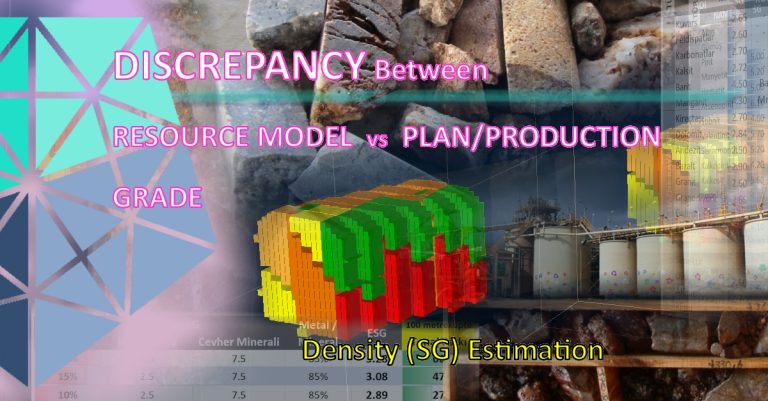
Explore the impact of density (SG) disparities on resource model grade estimation in mining operations, mitigate discrepancy between production & process grade.
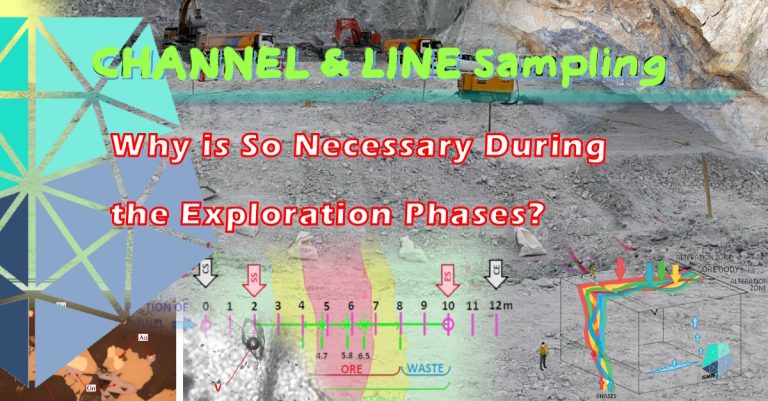
Comprehend the vital significance of sampling all mineralization phases on outcrops and gathering rock samples sensibly for mineral exploration studies.
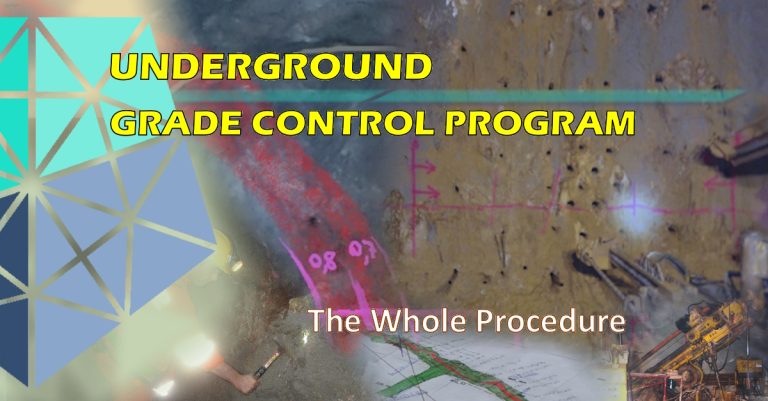
The whole procedure for underground grade control. A comprehensive guide to underground grade control program from unearthing to mill for geologist and miners.
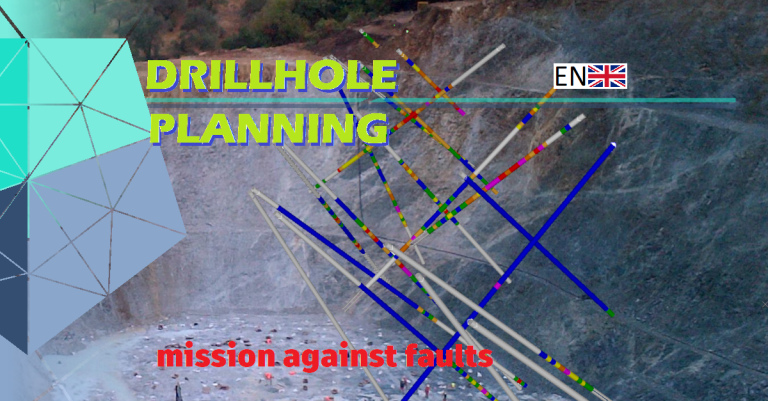
Unveil secrets of the most crucial data gathering way "drillhole planning" for mineral exploration and 3D resource modeling, even challenging fault conditions.